Does Tattoo Removal Leave Scars: What You Need to Know
Discover the truth about tattoo removal scarring. Learn prevention tips, healing factors, and what to expect during your tattoo removal journey.
So, you're thinking about getting rid of that tattoo you got years ago? Maybe it's an ex's name, a design that no longer fits your style, or just something you regret. Whatever the reason, one question probably keeps popping into your head: will tattoo removal leave scars? Well, you're not alone in wondering about this. It's actually one of the most common concerns people have when considering laser tattoo removal. The good news is that modern technology has come a long way, and scarring isn't as inevitable as you might think. However, like most things in life, the answer isn't a simple yes or no. There are tons of factors that play into whether you'll end up with scars after your tattoo removal sessions. From the type of laser used to your own body's healing abilities, everything matters.
Understanding the Tattoo Removal Process
Before we get into the nitty-gritty of scarring, let's talk about how tattoo removal actually works. Most people don't realize that removing a tattoo is way more complex than getting one in the first place. When you get a tattoo, ink particles are deposited into the dermis layer of your skin. These particles are actually too large for your body's immune system to break down and remove naturally, which is why tattoos are permanent.
Laser tattoo removal uses concentrated light beams to break down these ink particles into smaller fragments. The most common method these days is called Q-switched laser technology, though newer picosecond lasers are gaining popularity. These lasers emit short bursts of energy that shatter the ink particles without causing too much damage to the surrounding skin tissue. Pretty cool, right?
Once the ink particles are broken down, your body's lymphatic system goes to work, gradually flushing out these smaller particles over time. This is why tattoo removal isn't a one-and-done deal. You'll typically need multiple sessions spaced several weeks apart to fully remove a tattoo. The number of sessions depends on factors like the tattoo's size, color, age, and depth.
Does Tattoo Removal Leave Scars: What You Need to Know
Here's the million-dollar question. The honest answer is that while scarring is possible, it's not guaranteed. Modern laser technology has significantly reduced the risk of scarring compared to older methods like dermabrasion or surgical excision. However, several factors influence whether you'll develop scars during your tattoo removal process.
First off, if your original tattoo caused scarring when it was applied, those scars will likely remain even after the ink is removed. Think about it, the laser can break down ink particles, but it can't magically erase scar tissue that already exists. Some tattoo artists are heavy-handed, and some people's skin is just more prone to scarring from the tattooing process itself.
The type of laser used and the skill of the technician performing the procedure play huge roles in minimizing scarring risks. A trained professional knows how to adjust the laser's settings based on your skin type, the tattoo's characteristics, and other important factors. They won't be too aggressive with the treatment, which is a common cause of scarring.
Your skin type and natural healing abilities matter tremendously. Some people are genetically predisposed to developing keloid or hypertrophic scars. If you've had issues with scarring in the past, whether from surgery, injuries, or even acne, you might be at higher risk for scarring from tattoo removal too.
Factors That Increase Scarring Risk
Let's break down the specific factors that can bump up your chances of developing scars during tattoo removal. Knowledge is power, and understanding these risk factors can help you take preventive measures.
Your skin tone plays a significant role in scarring risk. People with darker skin tones are generally more susceptible to changes in pigmentation and keloid scarring. This doesn't mean you can't safely remove a tattoo if you have darker skin, but it does mean you need to work with an experienced technician who understands how to adjust laser settings appropriately.
The location of your tattoo matters more than you might think. Areas with less blood flow, like ankles and feet, tend to heal more slowly and may be more prone to scarring. Conversely, areas with better circulation typically heal faster and cleaner. Your torso and upper arms usually heal better than your extremities.
If you've had amateur or prison tattoos, the scarring risk might be higher. These tattoos often go deeper into the skin than professional ones, and the ink quality varies wildly. Removing them can be trickier and may require more aggressive treatment, potentially increasing scarring chances.
Smoking is another major factor that many people don't consider. Nicotine restricts blood flow to your skin, slowing down the healing process significantly. If you're a smoker considering tattoo removal, seriously think about quitting or at least cutting back during your treatment period.
How to Minimize Scarring During Tattoo Removal
Alright, so now that we've covered the scary stuff, let's talk about what you can actually do to minimize your risk of scarring. There's plenty you can control here, which is encouraging.
Choose your technician wisely. This cannot be stressed enough. Don't just pick the cheapest option or the most convenient location. Look for someone who's certified, experienced, and specializes in tattoo removal. Ask to see before and after photos of their previous clients. Read reviews. Ask questions about their equipment and techniques. A skilled technician is your best defense against scarring.
Follow aftercare instructions religiously. Your technician will give you specific care instructions after each session, and following them isn't optional if you want to avoid scars. This typically includes keeping the area clean, applying prescribed ointments, avoiding sun exposure, and not picking at any scabs or blisters that form.
Spacing out your sessions properly gives your skin adequate time to heal between treatments. Some people want to rush the process and schedule sessions too close together. Resist this temptation. Your skin needs time to recover and for your immune system to flush out the broken-down ink particles. Most professionals recommend waiting at least six to eight weeks between sessions.
Stay hydrated and maintain a healthy lifestyle during your tattoo removal journey. Your body's ability to heal depends on your overall health. Drink plenty of water, eat nutritious foods rich in vitamins and antioxidants, get enough sleep, and exercise regularly. These habits support your immune system and promote faster, cleaner healing.
Protect the treated area from sun exposure. UV rays can cause hyperpigmentation and interfere with the healing process. Always apply sunscreen with high SPF to the area, or better yet, keep it covered with clothing when you're outdoors. This is especially important in the weeks following each treatment session.
Alternative Scarring Risks from Other Removal Methods
While we're primarily discussing laser removal here, it's worth mentioning that other tattoo removal methods carry different and often higher scarring risks. Understanding these alternatives helps put laser removal's safety profile into perspective.
Dermabrasion involves literally sanding away the top layers of skin to remove tattoo ink. As you can imagine, this method is pretty aggressive and carries a significant scarring risk. It's fallen out of favor precisely because of this, though some practitioners still offer it.
Surgical excision means cutting out the tattooed skin and stitching the surrounding skin together. This method guarantees a scar, though for very small tattoos, the scar might be less noticeable than the tattoo itself. It's typically only considered for tiny tattoos in areas where scarring won't be too visible.
Chemical peels and creams that claim to remove tattoos are generally ineffective and can cause chemical burns, leading to scarring. These products are rarely recommended by medical professionals and should be approached with extreme skepticism.
Compared to these methods, laser removal definitely comes out on top in terms of minimizing scarring risk. The technology targets ink particles specifically without destroying surrounding tissue to the same extent as these alternative methods.
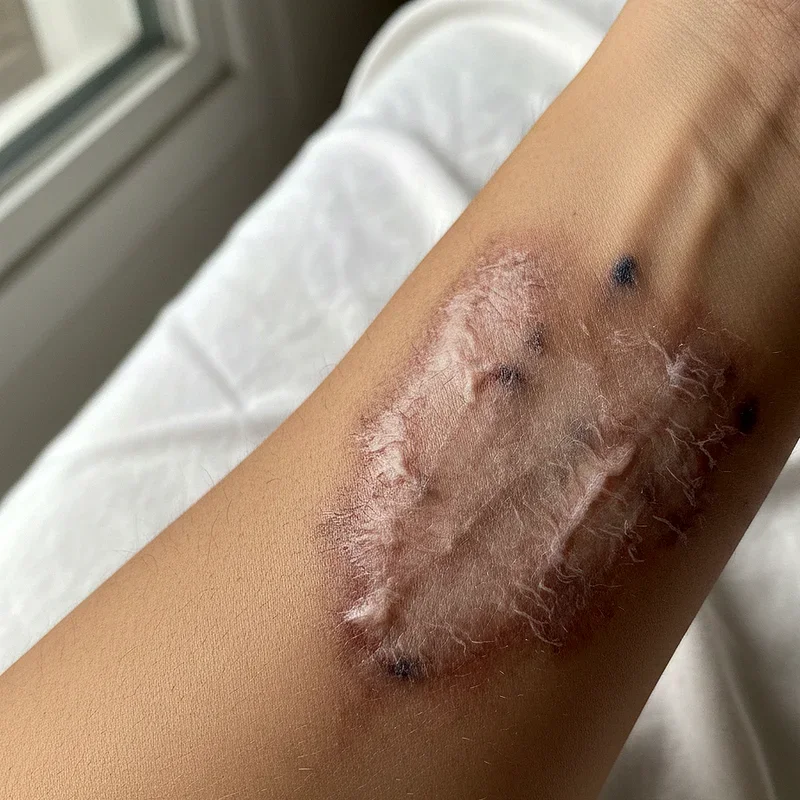
Signs of Scarring During the Healing Process
Knowing what to watch for during your healing process can help you catch potential problems early. Not every bump or change means you're developing a scar, but some signs warrant attention.
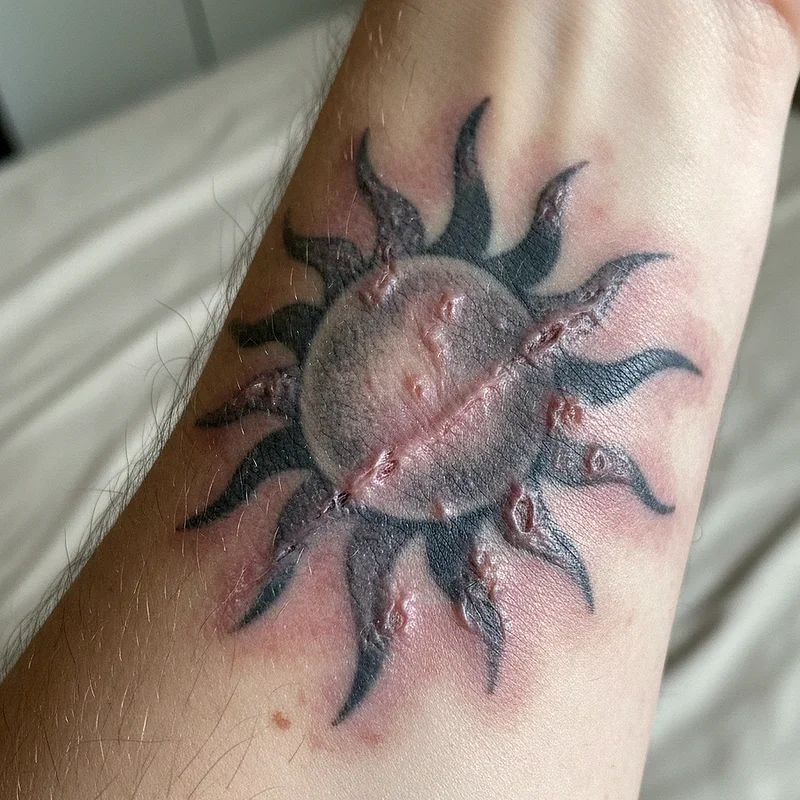
Immediately after treatment, it's normal for the area to look red, swollen, and feel tender. You might also see blistering or crusting, which are typical responses. These symptoms usually resolve within a week or two. However, if redness and swelling persist beyond a couple of weeks or seem to be getting worse rather than better, that could signal a problem.
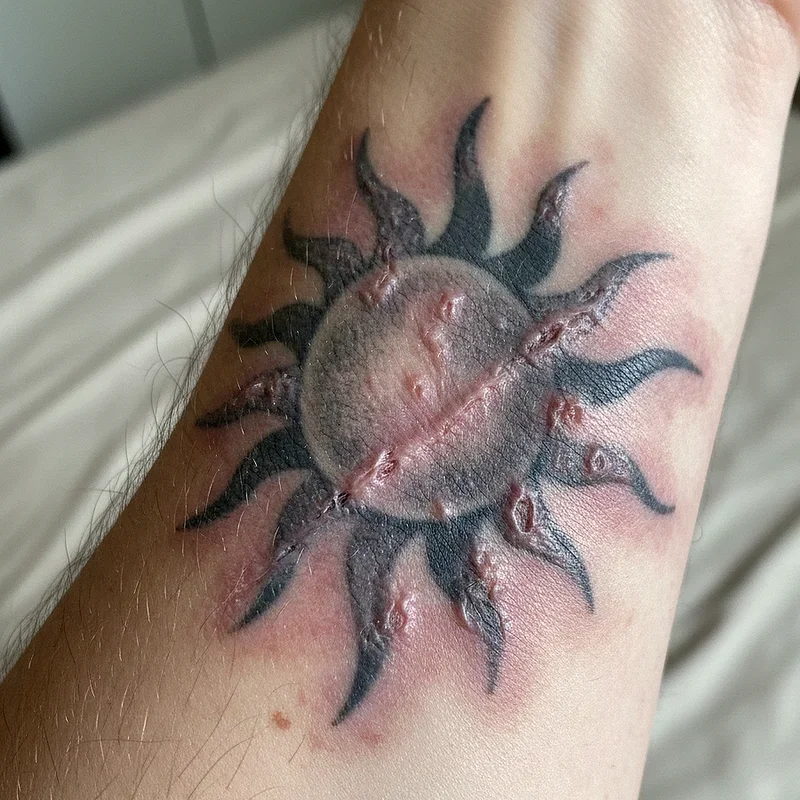
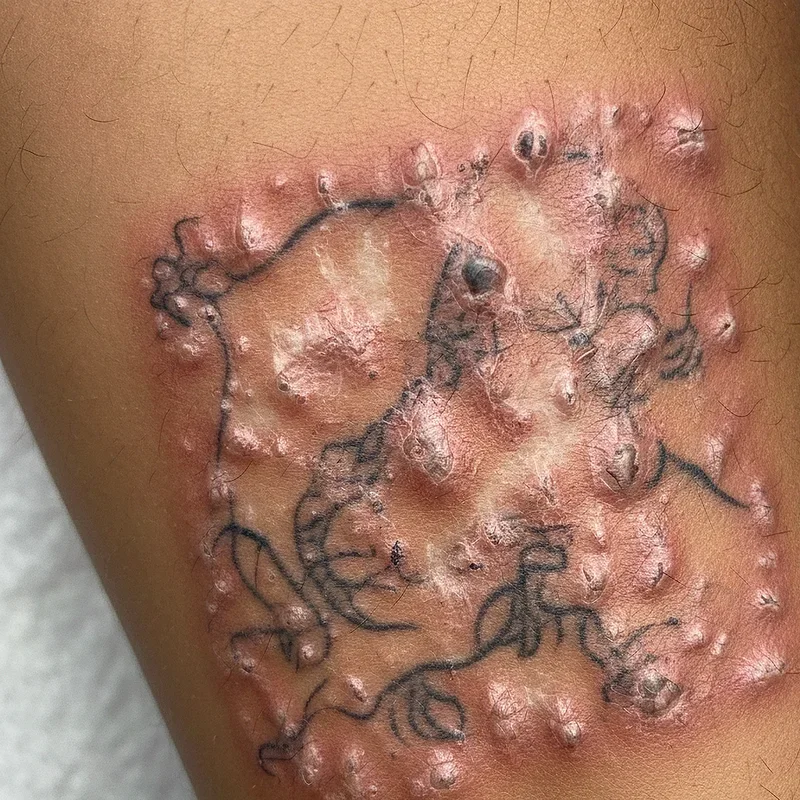
Hypertrophic scars appear as raised, thickened areas of skin that stay within the boundaries of the original tattoo. They develop when your body produces too much collagen during the healing process. These scars often improve over time and can be treated with various methods if they become problematic.
Keloid scars are similar but extend beyond the original tattoo boundaries. They're more common in people with darker skin tones and those genetically predisposed to keloid formation. Keloids can continue growing over time and are trickier to treat than hypertrophic scars.
Changes in skin texture or pigmentation can also occur. Hypopigmentation means the treated area becomes lighter than surrounding skin, while hyperpigmentation means it becomes darker. These changes aren't technically scars, but they can be just as noticeable and concerning. The good news is that pigmentation changes are often temporary and can improve significantly over time.
When to Seek Medical Attention
While most tattoo removal procedures heal without major complications, there are times when you should definitely contact your healthcare provider or the technician who performed your treatment.
If you notice signs of infection like increasing pain, warmth, pus, or red streaks radiating from the treated area, get medical attention promptly. Infections can lead to scarring if not treated quickly. Fever accompanying any of these symptoms is especially concerning.
Excessive or prolonged blistering that doesn't start improving after a few days might indicate that the laser settings were too aggressive for your skin type. Your technician needs to know about this so they can adjust future treatments.
If you develop a severe allergic reaction with symptoms like difficulty breathing, widespread rash, or swelling of your face or throat, seek emergency medical care immediately. While rare, allergic reactions can occur, particularly if you have sensitivities to any aftercare products.
Any scarring that seems to be worsening rather than improving over time deserves professional evaluation. A dermatologist can assess the situation and recommend treatments to minimize the scar's appearance if necessary.
Treatment Options for Tattoo Removal Scars
Even if you do develop scarring after tattoo removal, you're not necessarily stuck with it forever. Several treatment options can help improve the appearance of scars.
Silicone gel sheets or ointments are often the first line of defense against developing scars. When used consistently, they can help flatten and fade scars over time. They work by hydrating the scar tissue and regulating collagen production.
Corticosteroid injections can help flatten raised scars like keloids and hypertrophic scars. These injections are typically given in a series over several months. They work by reducing inflammation and slowing collagen production in the scar tissue.
Laser treatments designed specifically for scar revision can improve the appearance of various types of scars. Fractional lasers, for example, create tiny wounds in the scar tissue, triggering your body's healing response and encouraging the formation of new, healthier skin.
Microneedling involves creating controlled micro-injuries to the skin, which stimulates collagen production and can help break down scar tissue. It's often combined with topical treatments for better results.
For severe scarring, surgical scar revision might be an option. This involves removing the scar tissue and carefully resuturing the area with techniques designed to minimize the new scar's appearance. It's typically considered a last resort when other treatments haven't worked.
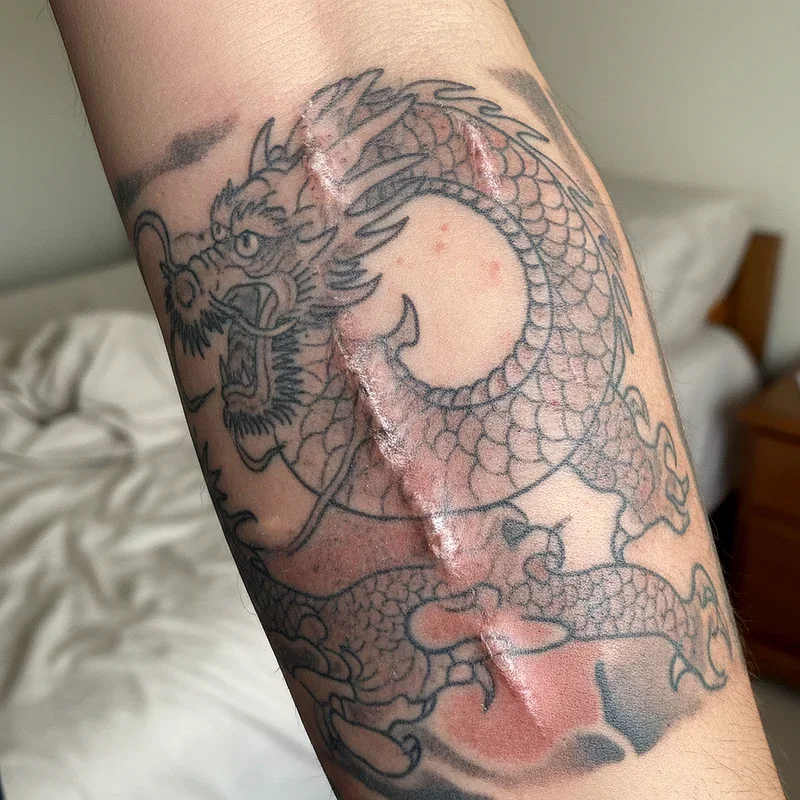
Real Patient Experiences and Expectations
Setting realistic expectations is crucial when considering Does Tattoo Removal Leave Scars: What You Need to Know. Many people have successfully removed tattoos with minimal to no scarring, but results vary significantly from person to person.
Most patients report that the tattoo removal process is uncomfortable but manageable. Pain levels are often compared to having the original tattoo applied, with some people saying removal hurts more and others saying it's less painful. The good news is that sessions are typically shorter than tattoo application sessions.
Complete removal isn't always possible, especially for certain ink colors or very dense tattoos. Many people end up with significant fading rather than complete elimination. Dark blues and blacks respond best to laser treatment, while lighter colors like yellow and green can be stubborn.
The time commitment surprises many people. Between multiple sessions and the waiting periods between them, full tattoo removal can take a year or even longer. Patience is absolutely essential throughout this process.
Cost is another consideration that catches people off guard. Tattoo removal isn't cheap, and it typically costs more than getting the original tattoo. Prices vary based on the tattoo's size, colors, and the number of sessions required. Most insurance plans don't cover cosmetic tattoo removal, so it's an out-of-pocket expense.
Conclusion
Navigating the world of tattoo removal doesn't have to be overwhelming. While the question of scarring is valid and important, modern laser technology has made safe, effective removal more accessible than ever. By choosing qualified professionals, following proper aftercare, and maintaining realistic expectations, you can minimize scarring risks significantly. Remember that everyone's skin responds differently, and what works for one person might not work identically for another. Take your time researching, ask plenty of questions, and prioritize your skin's health throughout the journey.
Read next: 15 Tattoo Ideas with Meaning That Tell Your Story
Frequently Asked Questions
Q1: How many sessions does typical tattoo removal require?
A: Most tattoos require between 5 to 10 sessions depending on size and ink colors.
Q2: Can all tattoo colors be completely removed with laser treatment?
A: Dark colors like black and blue remove easiest while lighter colors are more stubborn.
Q3: Is tattoo removal more painful than getting the original tattoo?
A: Pain levels vary by individual but many compare it to similar tattoo application discomfort.
Q4: How long should I wait between tattoo removal sessions?
A: Most professionals recommend waiting 6 to 8 weeks between sessions for optimal healing.
Q5: Will my insurance cover the cost of tattoo removal procedures?
A: Most insurance plans don't cover cosmetic tattoo removal as it's considered elective treatment.
Stay up to date with our latest ideas!