How Long Does a Small Tattoo Take to Finish
Quick ink sessions for small tattoos typically range from 30 minutes to 2 hours, depending on design complexity and placement on your body.
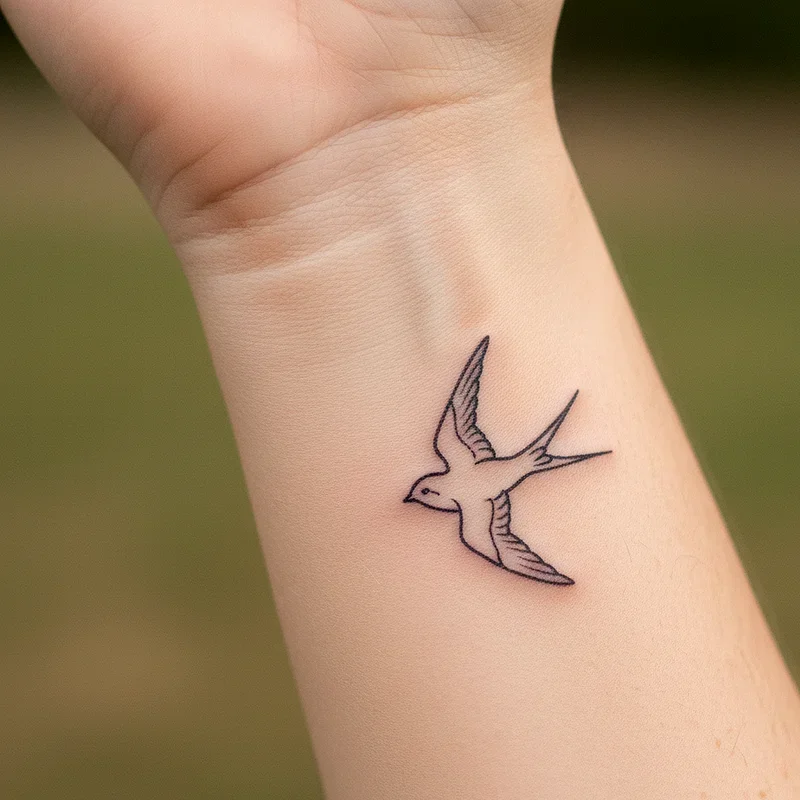
So you've finally decided to take the plunge and get that tiny tattoo you've been dreaming about, huh? Whether it's a delicate flower, a minimalist symbol, or a small tribute to something meaningful, there's something undeniably appealing about small tattoos. They're subtle, they're chic, and let's face it, they won't leave you sitting in that chair for what feels like an eternity. But here's the million-dollar question that's probably been nagging at you: exactly how long will it take to get that little piece of art etched onto your skin? Well, you're in luck because we're about to dive deep into everything you need to know about small tattoo timelines. From the factors that influence the duration to what you can expect during your appointment, we've got you covered from start to finish.
What Exactly Qualifies as a Small Tattoo
Before we jump into the nitty-gritty of timing, let's get on the same page about what we mean by a small tattoo. Generally speaking, we're talking about designs that measure anywhere from half an inch to about three inches in any direction. Think tiny hearts, small quotes, delicate arrows, minimalist geometric shapes, or those cute little symbols that fit perfectly behind your ear or on your wrist. These pint-sized pieces of body art have become incredibly popular over the years, and for good reason. They're perfect for first-timers who want to test the waters without committing to a massive piece, and they're also ideal for folks who prefer a more understated look.
The Typical Timeline for How Long Does a Small Tattoo Take to Finish
Alright, let's get down to brass tacks. On average, a small tattoo usually takes anywhere from 30 minutes to about 2 hours to complete. Now, I know that's quite a range, and you're probably wondering why there's such a difference. Well, hold your horses, because we'll get into all those variables in just a minute. The point is, if you're getting something super simple like a tiny star or a basic outline, you might be in and out in half an hour. But if your design has more intricate details, shading, or color work, you could be looking at closer to that two-hour mark.
The beauty of small tattoos is that they're generally quick and relatively painless compared to their larger counterparts. You won't need to schedule multiple sessions or block out an entire day for your appointment. Most artists can knock out a small piece in one sitting, which means you can literally pop in during your lunch break and come out with fresh ink. Pretty cool, right?
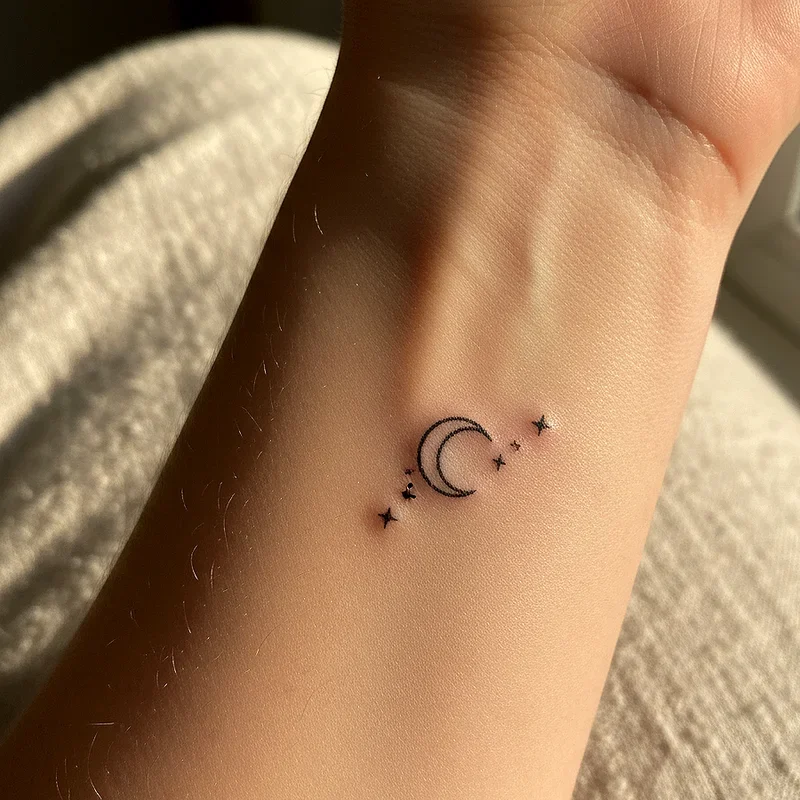
Key Factors That Influence Tattoo Duration
Now here's where things get interesting. The time it takes to finish your small tattoo isn't set in stone. Several factors come into play, and understanding these can help you set realistic expectations for your appointment.
Design Complexity and Detail Level
This one's a no-brainer, really. A simple black outline of a heart will take significantly less time than an intricate mandala with tons of fine lines and detailed patterns. If your design includes elaborate shading, multiple colors, or tiny details that require precision, your artist will need more time to execute it properly. Think about it like this: would you rather have a rushed job that looks mediocre, or would you prefer your artist takes their sweet time to create something absolutely stunning? Yeah, I thought so.
Color Versus Black and Gray Work
Here's something that might surprise you. Color tattoos generally take longer than black and gray designs, even when we're talking about small pieces. Why? Well, applying color requires multiple passes over the same area, and your artist needs to be extra careful about saturation and blending. Each color might need its own pass, and some colors are trickier to work with than others. Black and gray work, on the other hand, can often be completed more quickly, especially if it's just simple line work or basic shading.
Placement on Your Body
Believe it or not, where you decide to get your tattoo can affect how long the process takes. Some body parts are easier to work on than others. Flat, stable areas like your forearm or thigh are pretty straightforward for artists to tattoo. But if you're getting inked on a curved surface, near joints, or in spots that are prone to movement, the artist might need extra time to ensure clean lines and proper execution. Plus, some areas are more sensitive, which might mean you need more breaks during the session.
Your Pain Tolerance and Need for Breaks
Let's be real for a second. Getting a tattoo hurts. Some people can sit through the entire process without flinching, while others need frequent breaks to catch their breath and compose themselves. There's absolutely no shame in needing a breather, by the way. If you need to pause the session a few times, that's going to add to the overall duration. Your artist will totally understand and would much rather you take your time than pass out in their chair.
Artist Experience and Working Style
Not all tattoo artists work at the same pace, and that's perfectly fine. Some artists are speed demons who can whip out a small tattoo in record time without sacrificing quality. Others take a more methodical approach, working slowly and deliberately to ensure every line is perfect. Neither style is better than the other, it's just different. Generally speaking, more experienced artists tend to work more efficiently because they've developed their technique over years of practice.
What Happens During Your Tattoo Appointment
Understanding the actual process can help you gauge how much time you'll need to set aside. Your tattoo appointment isn't just about the needlework itself. There are several steps involved, and each one takes time.
Consultation and Design Finalization
When you first arrive at the shop, you'll sit down with your artist to discuss your design. Even if you've already had a consultation, there's usually some fine-tuning that happens on the day of your appointment. Your artist might sketch out the design, make adjustments based on your feedback, and ensure you're both on the same page about what you want. This portion can take anywhere from 10 to 30 minutes, depending on how many changes need to be made.
Preparation and Stencil Application
Once the design is finalized, your artist will prepare the area where you're getting tattooed. This involves cleaning and shaving the skin if necessary, then applying a stencil of the design. Getting the stencil placement just right is crucial, so don't be surprised if your artist applies it, checks with you, removes it, and tries again. This back-and-forth ensures the tattoo will be positioned exactly where you want it. This step typically takes about 10 to 15 minutes.
The Actual Tattooing Process
This is where the magic happens. For How Long Does a Small Tattoo Take to Finish, the actual needlework usually ranges from 15 minutes to 90 minutes, depending on all those factors we discussed earlier. Your artist will start with the outline, then move on to shading and color if your design includes those elements. Throughout this process, they'll periodically wipe away excess ink and check their work to ensure everything looks perfect.
Aftercare Instructions and Wrap-Up
Once your tattoo is complete, your artist will clean the area, apply an antibacterial ointment, and bandage it up. They'll also give you detailed aftercare instructions, which you should definitely pay attention to if you want your new ink to heal properly. This final stage usually takes about 5 to 10 minutes.
Tips to Keep Your Session Running Smoothly
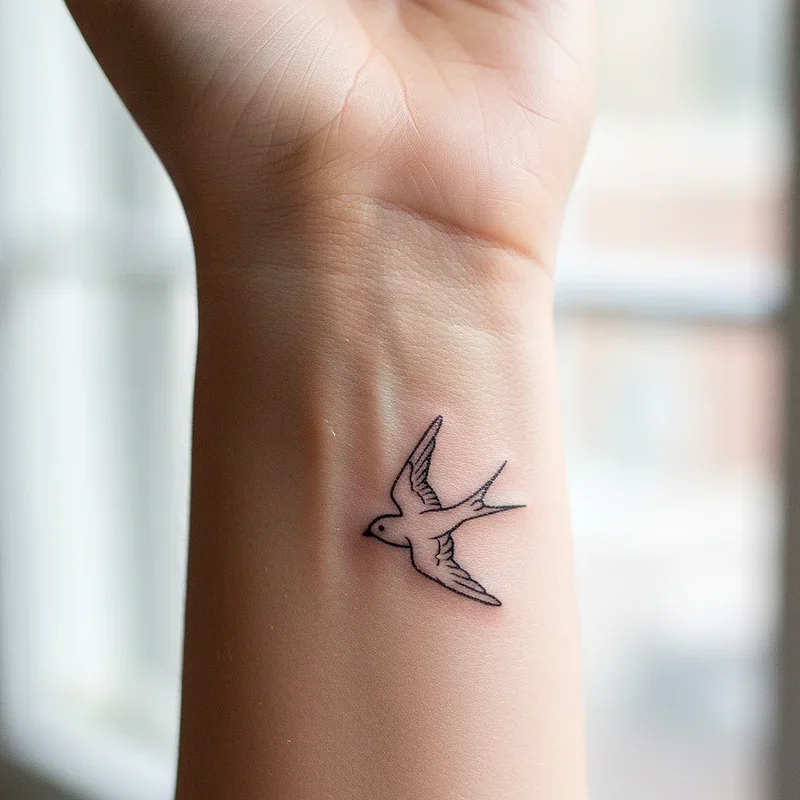
Want to make sure your appointment goes off without a hitch? Here are some practical tips that'll help everything run smoothly and potentially even speed up the process.
First off, make sure you eat a good meal before your appointment. Low blood sugar can make you feel dizzy or nauseous, which means more breaks and a longer session overall. Stay hydrated too, but maybe don't chug a gallon of water right before because you don't want to be constantly asking for bathroom breaks.
Show up on time, or better yet, a few minutes early. This gives you time to settle in and ensures you're using your full appointment slot for the actual tattoo. Being late just cuts into your tattooing time and might mean your artist has to rush or you'll need to schedule another session.
Wear comfortable clothing that provides easy access to the area being tattooed. If you're getting a small ankle tattoo, don't show up in skinny jeans that take five minutes to roll up. Loose, comfortable clothes make everyone's life easier.
Try to stay as still as possible during the tattooing process. I know it's tempting to fidget, especially if you're nervous, but unnecessary movement can affect the quality of your tattoo and slow things down considerably.
Price Considerations and Session Length
Here's something worth mentioning: most tattoo shops have minimum charges, regardless of how small or quick your tattoo is. Even if your tiny design only takes 20 minutes to complete, you'll likely still pay that minimum fee, which typically ranges from 50 to 150 dollars depending on the shop and location. Some artists charge by the hour, while others offer flat rates for small pieces.
Don't let the quick timeframe fool you into thinking small tattoos are always cheap. A highly detailed small tattoo from an experienced artist might cost more than a larger, simpler design from someone less established. Quality costs money, folks, and when it comes to something that's permanently on your body, it's worth paying for good work.
Common Small Tattoo Designs and Their Timeframes
Let's break down some popular small tattoo options and roughly how long each might take. Keep in mind these are just estimates, and your actual experience might vary.
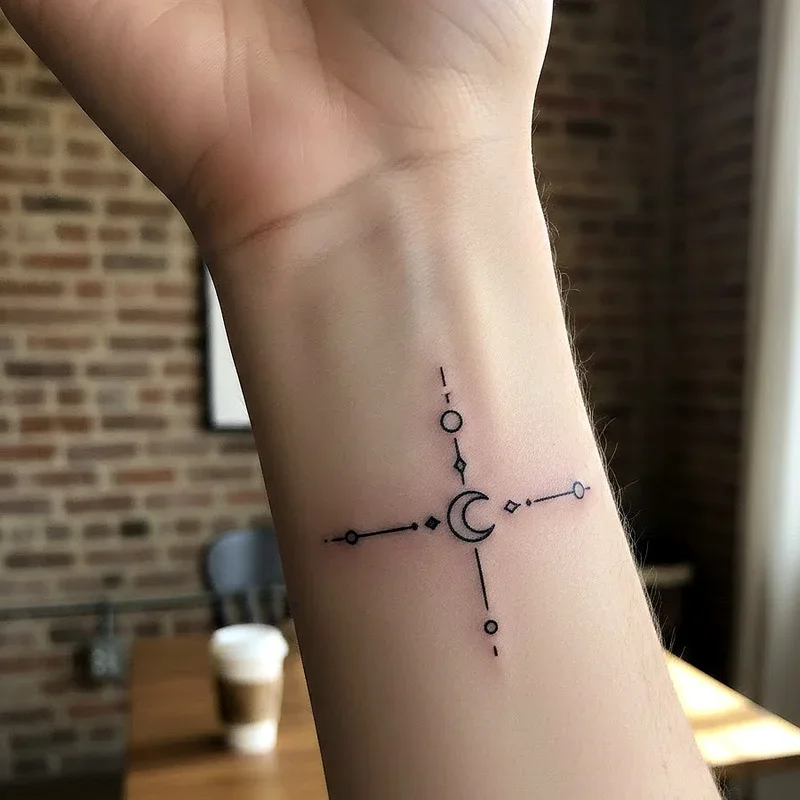
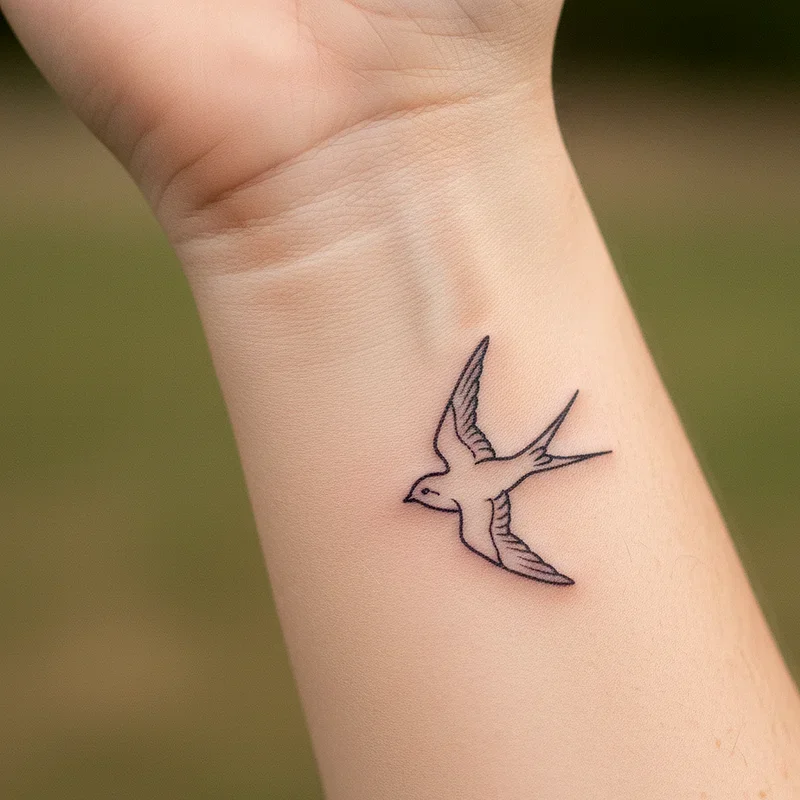
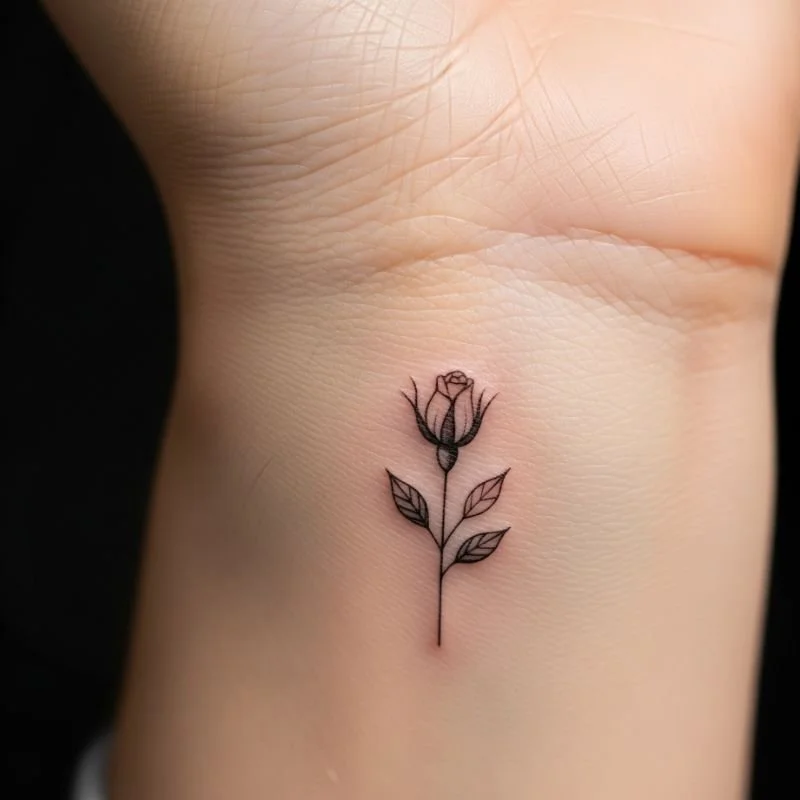
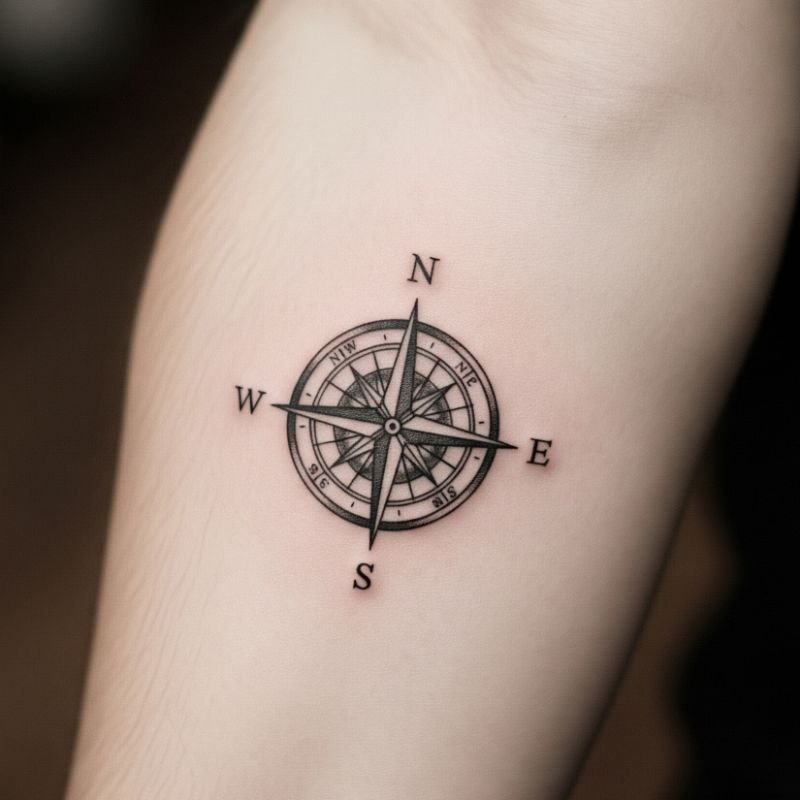
A simple text tattoo with a single word or short phrase typically takes 30 to 45 minutes. Small symbols like stars, hearts, or infinity signs usually clock in around 20 to 40 minutes. Tiny floral designs with basic shading might take 45 minutes to an hour. Small animal silhouettes or portraits can range from 1 to 2 hours depending on detail level. Minimalist geometric patterns usually take 30 minutes to an hour and a half.
Preparing Mentally and Physically for Your Appointment
Getting a tattoo, even a small one, is a bigger deal than you might think. Sure, the physical process is relatively quick, but there's a mental component too. Some people get nervous, and that's totally normal. Take some deep breaths, trust your artist, and remember that millions of people get tattoos every day without any issues.
If you're particularly anxious, consider bringing a friend along for moral support. Just make sure your tattoo shop allows guests, as some have restrictions on how many people can be in the work area at once. Having someone to chat with or hold your hand can make the experience much more pleasant.
Get a good night's sleep before your appointment too. Being well-rested helps your body handle the stress of getting tattooed, and you'll be less likely to feel faint or uncomfortable during the process.
What About Touch-Ups and How They Affect Total Time
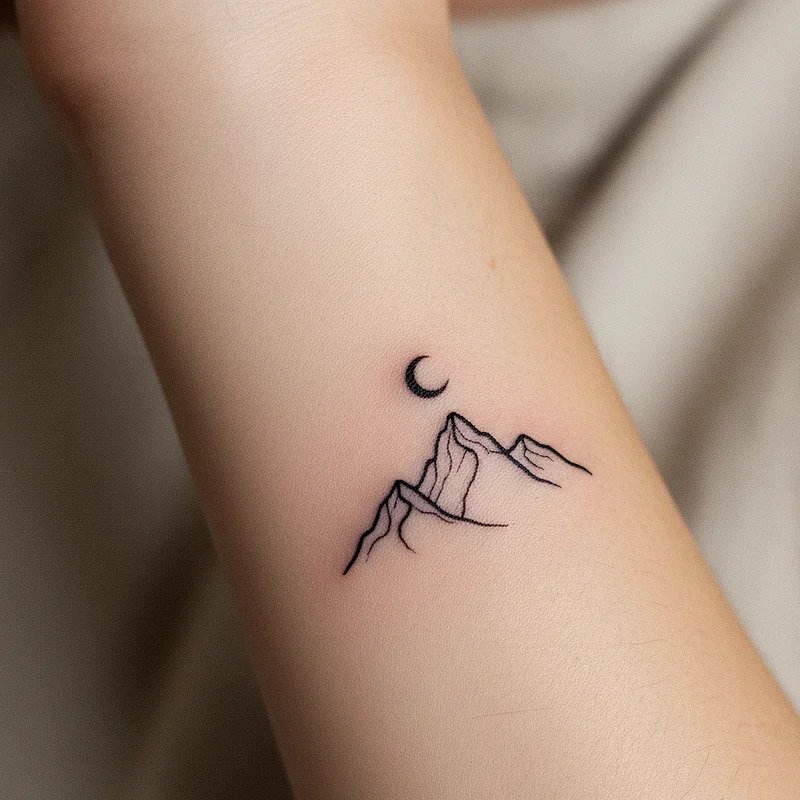
Sometimes small tattoos need touch-ups after they've healed, especially if there are fine lines or light colors involved. Touch-up sessions are usually much quicker than the original appointment, often taking just 15 to 30 minutes. Many reputable artists offer free touch-ups within a certain timeframe after your initial session, so make sure you ask about their policy.
The need for touch-ups doesn't necessarily mean your artist did a poor job. Sometimes it's just how your body heals, especially if you have oily skin or if the tattoo is in an area that gets a lot of friction. Following proper aftercare instructions significantly reduces the likelihood of needing a touch-up.
Conclusion
When it comes to How Long Does a Small Tattoo Take to Finish, you're typically looking at anywhere from 30 minutes to 2 hours for the entire process. The exact duration depends on factors like design complexity, color usage, placement, and your personal pain tolerance. Remember that quality shouldn't be rushed, so give your artist the time they need to create something you'll love forever. With proper preparation and realistic expectations, your small tattoo experience will be smooth and rewarding.
Read next: 15 Small Tattoo Ideas for Men You’ll Actually Love
Frequently Asked Questions
Q1. Does getting a small tattoo hurt more than a large one?
A: Pain depends on placement and personal tolerance, not necessarily the tattoo's size overall.
Q2. Can I get multiple small tattoos in one session?
A: Yes, but total time increases proportionally and depends on your pain tolerance level.
Q3. How long should I wait between small tattoo sessions?
A: Wait at least two to four weeks for proper healing before another session.
Q4. Do small tattoos fade faster than larger ones?
A: Small tattoos can fade quicker, especially with fine lines and minimal ink saturation.
Q5. Should I tip my artist for a quick small tattoo?
A: Yes, standard tipping etiquette is 15 to 20 percent regardless of duration.
Stay up to date with our latest ideas!